 Skyline Comfort Services
Duke Energy offers rebates on high-efficiency HVAC equipment like central air conditioners, heat pumps, and ENERGY STAR-certified systems to help reduce your upfront replacement costs. The rebate amount depends on your equipment's efficiency rating—higher SEER2 ratings typically qualify for greater incentives. Working with a Duke Energy rebate partner contractor simplifies the paperwork and ensures you capture all available savings.
Replacing an HVAC system is one of the largest home-improvement investments most North Carolina homeowners make. Whether you’re considering a new air conditioner, heat pump, or complete HVAC replacement, the upfront cost can feel intimidating. What many homeowners don’t realize is that utility rebates may significantly reduce that cost when qualifying high-efficiency equipment is installed.
Duke Energy offers various energy-efficiency incentive programs designed to encourage homeowners to upgrade to more efficient heating and cooling equipment. Understanding what qualifies, how the process works, and how rebates fit into an HVAC replacement project can help you maximize savings while improving comfort and energy efficiency.
Why Does Duke Energy Offer HVAC Rebates?
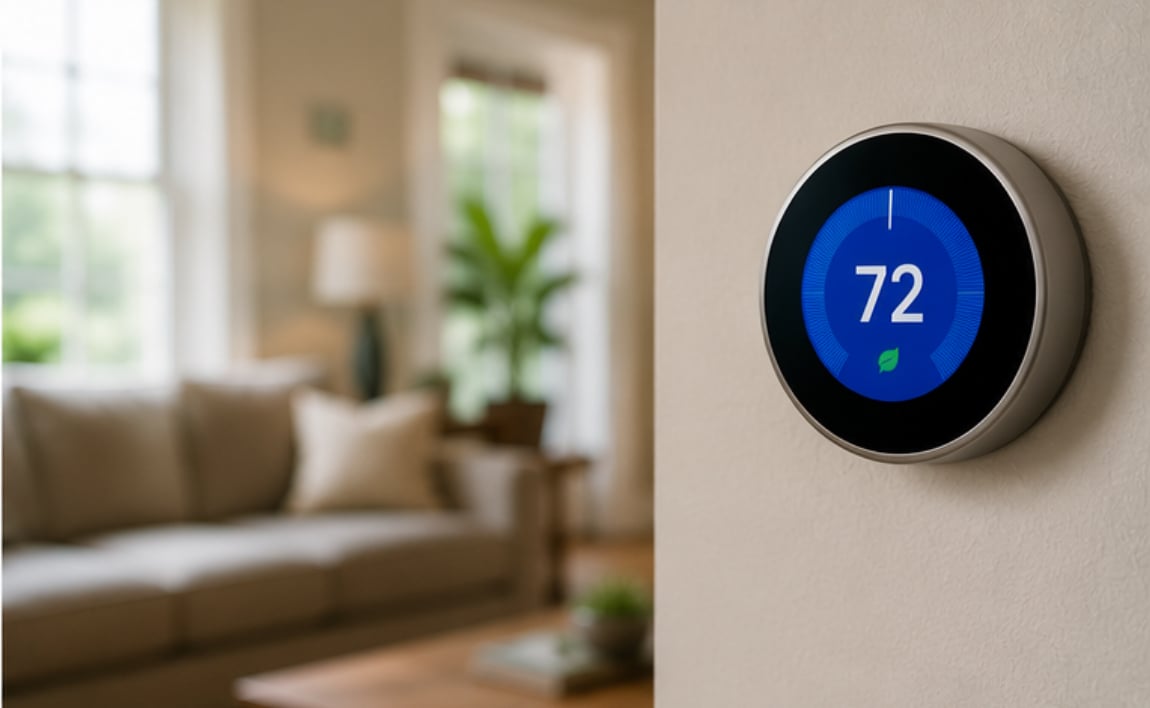
Utility companies are constantly working to reduce overall energy demand across their service territories. One of the most effective ways to accomplish that is by encouraging homeowners to replace older, inefficient HVAC equipment with systems that use less electricity while delivering the same or better comfort.
Because heating and cooling often account for 40% to 50% of a home’s annual energy usage, HVAC upgrades can create meaningful reductions in overall energy consumption. Duke Energy’s rebate programs are designed to reward homeowners who invest in qualifying high-efficiency equipment.
Benefits of High-Efficiency HVAC Upgrades
| Benefit | Why It Matters |
|---|---|
| Lower energy consumption | Reduced monthly utility bills |
| Improved system efficiency | Less electricity required for cooling and heating |
| Better humidity control | Improved indoor comfort during NC summers |
| Reduced equipment runtime | Potentially less wear on components |
| Lower environmental impact | Reduced overall energy demand |
While rebates typically do not cover the entire installation cost, they can make higher-efficiency systems significantly more attractive from a financial standpoint.
What Types of HVAC Systems Typically Qualify for Duke Rebates?
Although rebate programs can change over time, Duke Energy generally focuses on equipment that exceeds minimum federal efficiency standards. The highest incentives are often reserved for systems that deliver meaningful energy savings compared to older equipment.
Many homeowners are surprised to learn that rebates are not limited to one specific system type. Depending on current program requirements, several types of HVAC equipment may qualify.
Systems Commonly Associated With Rebate Eligibility
- High-efficiency central air conditioners
- Heat pump systems
- Dual-fuel HVAC systems
- Variable-speed HVAC equipment
- ENERGY STAR® certified systems
- Certain smart thermostat upgrades
The specific rebate amount often depends on the efficiency rating of the equipment being installed. That makes understanding efficiency standards an important part of the rebate conversation.
How Do SEER2 Ratings Affect Rebate Eligibility?
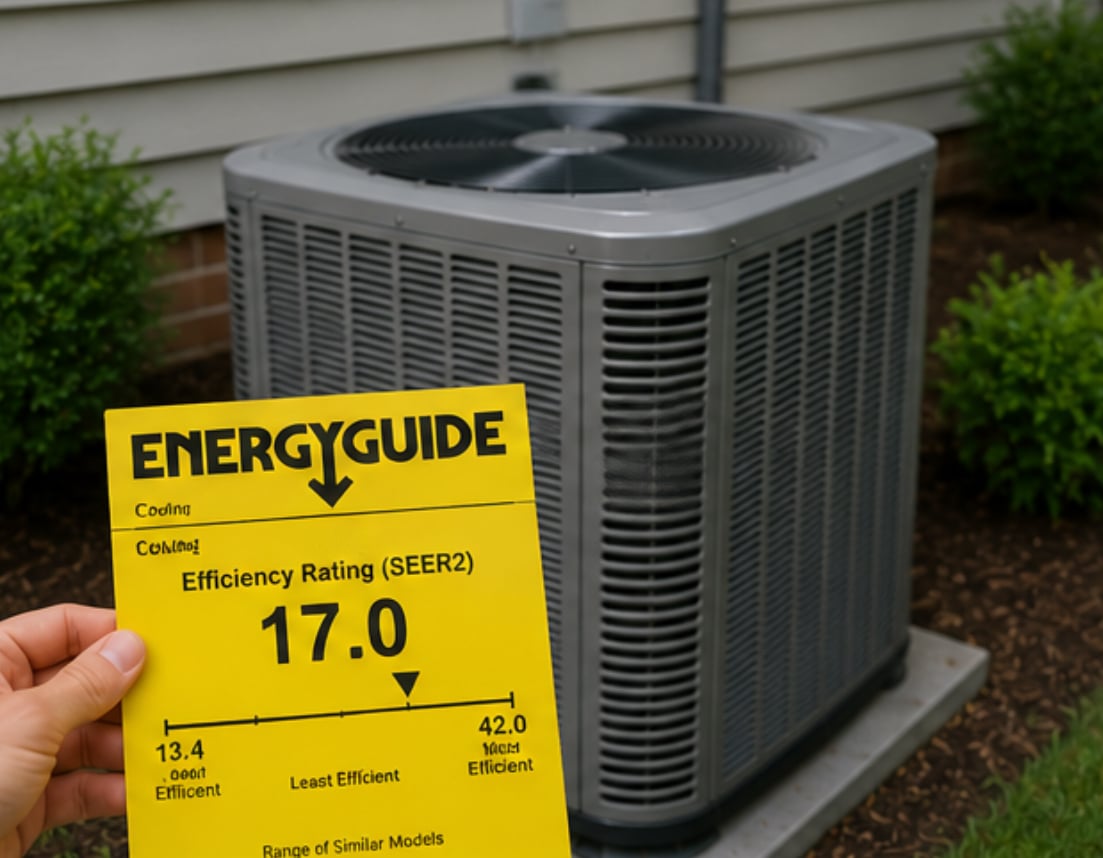
One of the first things HVAC contractors evaluate when determining potential rebate eligibility is the system’s efficiency rating. For cooling equipment, that typically means looking at the SEER2 rating, which measures how efficiently an air conditioner or heat pump operates over an entire cooling season.
In general, higher-efficiency systems consume less electricity and are more likely to qualify for utility incentive programs. While exact qualification thresholds can change as Duke Energy updates its programs, systems that significantly exceed minimum efficiency requirements often receive greater consideration for rebates.
Why Higher SEER2 Ratings Matter
| SEER2 Level | Typical Impact |
|---|---|
| Minimum efficiency equipment | May have limited rebate eligibility |
| Mid-efficiency systems | Often qualify for certain incentive programs |
| High-efficiency systems | Frequently provide the strongest rebate opportunities |
| Variable-speed systems | May offer additional efficiency advantages |
Efficiency ratings affect more than rebates alone. Higher-efficiency equipment can also lower monthly utility bills, improve humidity control, and reduce overall operating costs throughout the system’s lifespan.
How Does the Duke Energy Rebate Process Usually Work?
One reason some homeowners never take advantage of rebates is because they assume the paperwork will be complicated. In reality, the process is often much simpler than people expect when working with a contractor familiar with utility incentive programs.
Most rebate programs require verification that qualifying equipment was installed according to program guidelines. That generally means documenting the equipment model numbers, efficiency ratings, installation details, and homeowner information before the rebate can be processed.
Typical Rebate Process
- Schedule an HVAC evaluation.
- Select qualifying equipment.
- Install the approved system.
- Submit required rebate documentation.
- Duke Energy reviews the application.
- Eligible rebates are processed according to program guidelines.
Because program requirements occasionally change, homeowners should always verify current eligibility requirements before making purchasing decisions. Working with an HVAC contractor experienced with Duke Energy programs often helps ensure all necessary documentation is completed correctly from the start.
Does Your HVAC Contractor Handle the Rebate Paperwork?

One reason many homeowners never claim available HVAC rebates is because they assume the process will be complicated. Utility programs often require equipment documentation, efficiency verification, installation records, and application forms that must be completed correctly to qualify.
Working with an HVAC contractor familiar with Duke Energy rebate programs can make the process much easier. Many rebate-participating contractors help homeowners identify qualifying equipment, gather the required documentation, and submit rebate paperwork on their behalf. Instead of navigating program requirements alone, homeowners can focus on selecting the right HVAC system while their contractor helps ensure the rebate process is completed properly.
Benefits of Working With a Rebate Partner
| Homeowner Challenge | How Skyline Helps |
|---|---|
| Understanding eligibility | Reviews qualifying equipment options |
| Tracking efficiency requirements | Confirms SEER2 and equipment qualifications |
| Completing paperwork | Assists with required documentation |
| Meeting submission deadlines | Helps ensure paperwork is submitted properly |
| Maximizing available incentives | Identifies eligible rebate opportunities |
The result is a simpler process and greater confidence that available incentives are not left on the table.
Can Rebates Be Combined With HVAC Financing?
Many homeowners assume they must choose between financing and rebates, but in many situations both can work together. Rebates reduce the overall project cost, while financing helps spread the remaining balance into manageable monthly payments.
This combination often allows homeowners to consider higher-efficiency systems that provide stronger long-term savings. For example, a homeowner comparing a standard air conditioner to a high-efficiency heat pump may find that rebates and financing narrow the upfront price difference considerably.
How Rebates and Financing Can Work Together
- Rebate programs help reduce overall project cost.
- Financing lowers upfront out-of-pocket expenses.
- Higher-efficiency systems may become more affordable.
- Monthly energy savings can offset part of financing payments.
- Homeowners can invest in better long-term comfort and efficiency.
Many Raleigh-area homeowners use this approach when upgrading to qualifying heat pump installations, high-efficiency air conditioning systems, or complete HVAC replacements.
Why Choose Skyline Comfort Services for Duke Energy Rebate-Eligible HVAC Upgrades?
The value of a rebate is not simply the money you receive. The real value comes from choosing equipment that improves comfort, lowers energy consumption, and delivers long-term savings. That starts with understanding which systems qualify and how those incentives fit into your overall HVAC investment.
As a Duke Energy rebate partner, Skyline Comfort Services helps homeowners throughout Raleigh and the surrounding area navigate equipment selection, efficiency requirements, rebate eligibility, and documentation. We evaluate your home’s cooling and heating needs, explain available options clearly, and help ensure qualifying rebate paperwork is submitted properly.
Whether you’re considering a heat pump installation, air conditioning replacement, or another qualifying HVAC upgrade, our team can help you maximize available incentives while finding the right system for your home.
Be sure to explore our HVAC rebate calculator page to estimate potential savings and see how rebates may impact your next project.
Ready to upgrade?
Let's Find Your Rebate Savings
Skyline Comfort Services is a Duke Energy rebate partner serving Raleigh and the Triangle. We handle the paperwork, verify your equipment qualifies, and help you maximize incentives on your next HVAC project.