 Skyline Comfort Services
Fall maintenance on a heat pump before Raleigh's temperature swings shift from cooling to heating can catch airflow, electrical, refrigerant, and control issues early, when weather is still manageable. Raleigh's rapid weather changes put heat pumps through frequent mode switches that can expose problems a summer-only inspection might miss, and scheduling in early fall gives you time to address anything discovered before heating demand gets heavy.
Raleigh homeowners can go from running the air conditioner on a warm afternoon to needing heat after sunset, especially as fall settles in. Those temperature swings put a heat pump in an unusual position because the same system may switch between cooling and heating while outdoor conditions are changing quickly. A system that cooled well all summer may still need attention before heating becomes routine.
Scheduling maintenance before that transition can help identify airflow restrictions, electrical problems, drainage issues, refrigerant concerns, and controls that may affect heating performance. It also gives you an opportunity to find problems while the weather is still manageable, rather than discovering them during the first genuinely cold stretch.
Why Do Raleigh’s Fall Temperature Swings Matter for Heat Pumps?
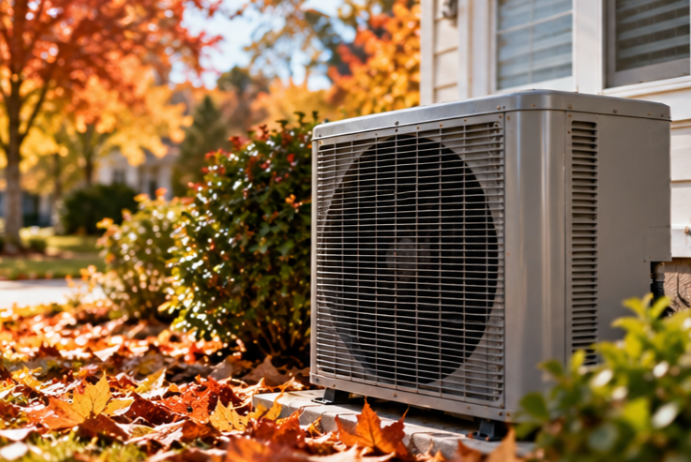
A heat pump does not simply sit idle when summer ends. In Raleigh, mild fall weather can mean several days of cooling followed by mornings or evenings when heating is needed. That repeated change in operating mode gives the system little downtime and can expose problems that were not obvious while it was cooling.
A fall maintenance visit is particularly useful when your heat pump has shown small changes during the summer rather than a complete failure.
- Frequent cycling: Shorter or more frequent cycles can point toward airflow, controls, or sizing concerns.
- Longer run times: Extended operation may indicate restricted airflow or declining system performance.
- Uneven temperatures: Hot or cold rooms can indicate airflow or ductwork problems.
- Strange sounds: New rattling, grinding, buzzing, or clicking deserves attention.
- Higher energy use: An unexplained increase can sometimes accompany reduced system performance.
A heat pump that still reaches the thermostat setting is not necessarily operating exactly as it should. Raleigh’s humidity, pollen, dust, and long cooling season can affect filters, coils, drains, and airflow over time. Addressing those conditions before heating demand increases gives a technician a better opportunity to establish a baseline for the coming season.
What Should a Technician Check Before Your Heat Pump Switches to Heating?
Fall maintenance should involve more than simply turning the thermostat to heat and confirming that warm air comes from the vents. A technician should evaluate the components that affect both heating and cooling performance, because a heat pump relies on the same equipment throughout the year.
Airflow and Filter Condition
Restricted airflow can make a heat pump work harder and affect comfort. The technician should check the filter condition and look for airflow problems that may involve the indoor coil, blower, return, or ductwork.
Outdoor Coil and Unit
The outdoor unit needs adequate airflow and reasonable clearance around it. Dirt, leaves, vegetation, and debris can interfere with heat transfer, while a dirty coil can reduce performance when the system is working in either direction.
Electrical Components
Connections, capacitors, wiring, and other electrical components can develop wear over time. Testing these components provides more information than simply looking at them and can reveal problems that may become noticeable when heating demand increases.
Refrigerant and System Performance
Heat pumps depend on the correct refrigerant charge for proper operation. A technician can check operating conditions and look for signs that indicate a refrigerant problem rather than simply adding refrigerant without determining why the system is not performing correctly.
Thermostat and Controls
The thermostat must communicate correctly with the heat pump and auxiliary heating equipment where applicable. Incorrect settings, calibration issues, or control problems can cause symptoms that homeowners may mistake for a failing heat pump.
Scheduling heat pump maintenance before Raleigh’s fall temperature swings can help identify airflow, electrical, refrigerant, and control issues before your system faces heavier heating demand. A professional inspection also gives you an opportunity to address small performance problems before they develop into unexpected breakdowns. If your heat pump is due for service, consider scheduling heat pump maintenance with a qualified HVAC technician before the season gets colder.
When Should You Schedule Heat Pump Maintenance in Raleigh?
For a Raleigh homeowner, early fall is a practical time to schedule heat pump maintenance because the system may still be operating in cooling mode while heating demand is beginning to appear. You do not necessarily need to wait for the first cold night. Getting the inspection done before temperatures become consistently chilly gives you more flexibility if something needs attention.
A useful timing guide looks like this:
- Late summer: Good time to address problems noticed during heavy cooling.
- Early fall: Practical window for a heating-season inspection.
- Before the first cold spell: Especially useful for systems with known issues.
- After unusual performance: Schedule service regardless of the calendar.
- Twice-yearly users: Spring and fall visits provide seasonal checks.
Waiting until the first cold morning is not necessarily dangerous, but it can make a minor problem more inconvenient. If a capacitor, control, airflow restriction, or other component needs attention, discovering it while Raleigh weather is still moderate gives you time to make an informed repair decision instead of dealing with the problem when everyone in the house wants heat immediately.
What Can Raleigh Homeowners Check Before Calling for Maintenance?
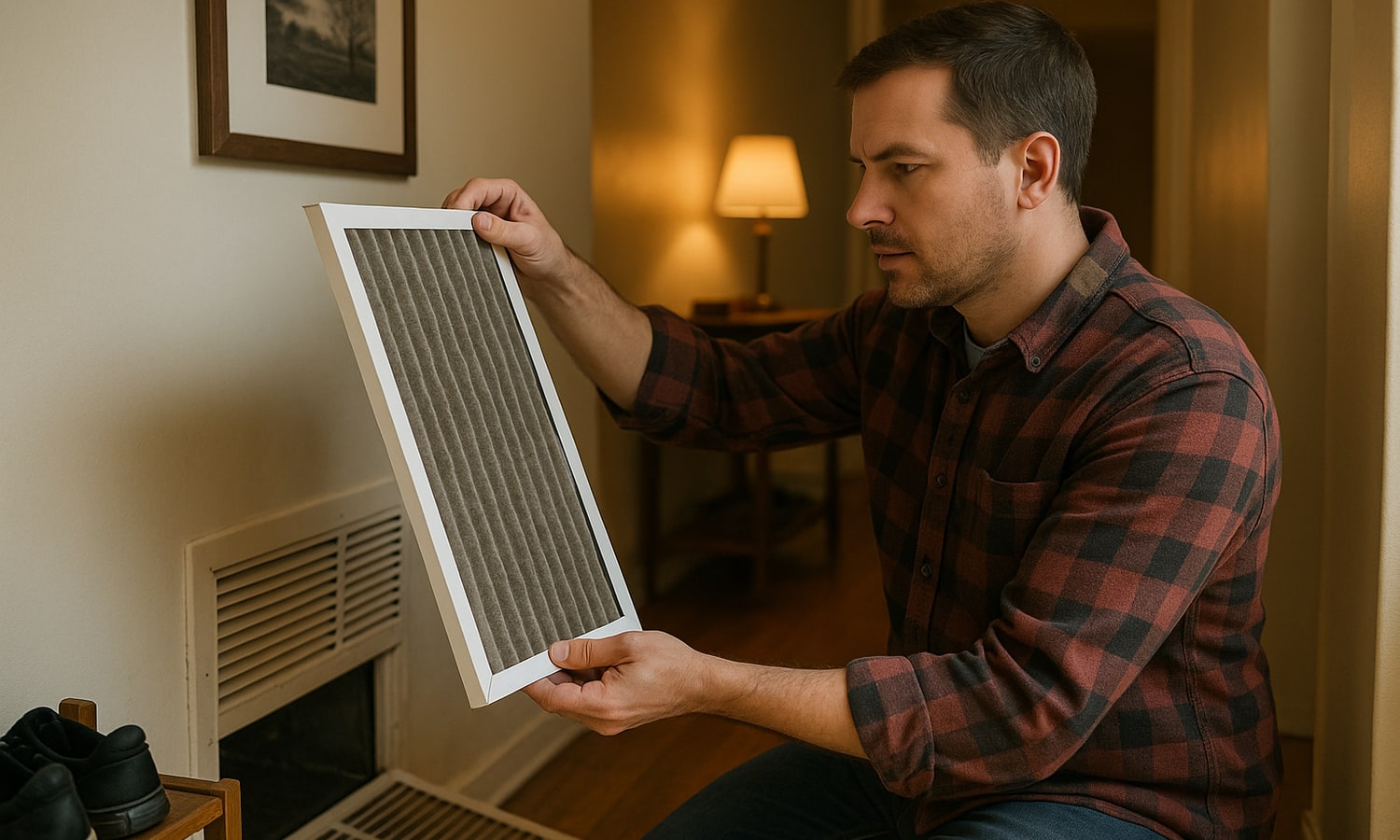
There are a few simple observations homeowners can make without opening the heat pump cabinet or attempting electrical or refrigerant work. These checks will not replace professional maintenance, but they can help you notice changes early and give the technician useful information about how the system has been behaving.
Check these simple items first:
- Thermostat: Confirm the system is set to the correct heating mode.
- Air filter: Look for visible dust and restriction.
- Outdoor unit: Remove leaves and debris from around the unit without opening it.
- Airflow: Notice whether some rooms receive substantially less air.
- Sounds: Listen for new rattling, grinding, buzzing, or repeated clicking.
- Temperature: See whether the home reaches the selected thermostat setting.
- Drain area: Look for unexplained water around the indoor equipment.
Do not remove electrical panels, handle refrigerant, bypass safety controls, or attempt to diagnose electrical components yourself. A homeowner’s observations are most useful when they help describe a symptom rather than become an attempt to repair the system without proper equipment.
If your heat pump is already struggling to maintain temperature, making an unfamiliar noise, repeatedly shutting down, or showing another significant change, maintenance may no longer be the whole story. A diagnostic visit can determine whether there is an active fault that needs repair before the system is relied on for heating.
Does Every Raleigh Heat Pump Need Fall Maintenance?
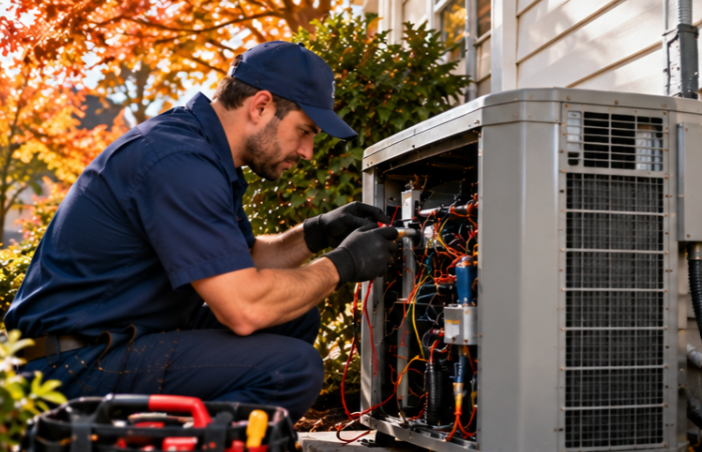
Not every system will have the same maintenance needs, but a heat pump that provides both heating and cooling has a year-round workload that makes seasonal inspection reasonable. The decision also depends on equipment age, operating history, previous repairs, household conditions, and whether you have noticed changes in comfort or performance.
Fall maintenance becomes especially worth considering when:
| Situation | Why it matters |
|---|---|
| Heat pump runs year-round | More operating hours can mean more wear |
| System is several years old | Wear becomes more relevant with age |
| Summer was unusually demanding | Components experienced extended cooling demand |
| You noticed longer cycles | May indicate an underlying performance issue |
| Airflow has changed | Could involve filters, coils, blower, or ductwork |
| Energy use has increased | May justify checking system performance |
| Repairs have become more frequent | A baseline can help track condition |
| You skipped spring maintenance | Fall provides another opportunity to inspect the system |
A newer, well-maintained heat pump that has been performing normally may require less attention than an older system with recurring problems. Maintenance should not automatically lead to a repair recommendation. The useful outcome is knowing what condition the system is in and whether anything actually needs attention.
That distinction matters when deciding whether to spend money on a repair. A maintenance visit can identify a developing problem, but it should not turn normal wear into an automatic replacement recommendation. If the equipment is functioning properly, the appropriate result may simply be documentation of its current condition and continued monitoring.
Why Choose Skyline Comfort Services for Heat Pump Maintenance in Raleigh?
At Skyline Comfort Services, we approach maintenance as a check of the equipment’s actual condition, not a reason to recommend work automatically. We inspect the system, check components that affect performance, clean where needed, test operation, and document what we find so you can understand what your heat pump needs before Raleigh’s colder weather arrives.
Our team is locally based in Raleigh and serves homeowners throughout the Triangle. We are North Carolina licensed under L.37225 and EPA 608 certified, and our company is family- and minority-owned. Our heat pump maintenance service includes seasonal visits, and our maintenance plan currently includes two visits each year, along with coil cleaning, drain-line flushing, and other system checks.
If your heat pump is nearing the point where maintenance is no longer enough, we can also help you evaluate repair or replacement options. When replacement makes sense, our heat pump installation service can be planned around your home’s heating and cooling needs rather than simply replacing equipment with the same size. If you want to get ahead of Raleigh’s fall temperature swings, scheduling maintenance before the first sustained cold weather can give you a clearer picture of what your system is ready for.
Frequently Asked Questions
Is it normal for a heat pump to run longer in cool weather?
Yes. Heat pumps generally deliver heat differently from furnaces and may operate for longer cycles at lower supply-air temperatures. Longer operation alone does not mean the system is failing. The concern is when the home cannot maintain the thermostat setting or the system runs continuously without providing adequate comfort.
Should I replace my filter before fall maintenance?
It is a good idea to check the filter first. If it is visibly dirty or restricted, replacing it can improve airflow and gives the technician a cleaner starting point for evaluating the system. The correct replacement interval varies based on filter type, pets, pollen, dust, and household conditions.
Can a heat pump need maintenance if it worked perfectly all summer?
Yes. A system can complete the cooling season without an obvious failure while still developing wear or accumulating dirt. Maintenance is intended to evaluate operating condition and identify developing issues, not simply repair equipment that has already stopped working.
What if my heat pump blows cool air when heating starts?
Some air that feels cooler than furnace heat can be normal because heat pumps typically deliver lower-temperature air over longer cycles. If the air is genuinely cold, the home cannot reach the thermostat setting, or the system behaves differently from normal, professional testing can determine whether there is a problem.
Should I schedule maintenance before the first cold night?
You do not need to wait for the first cold night. Scheduling in early fall gives you time to address anything discovered before the system becomes heavily relied upon. This is particularly useful for older equipment, systems with previous problems, or homes where the heat pump operates year-round.
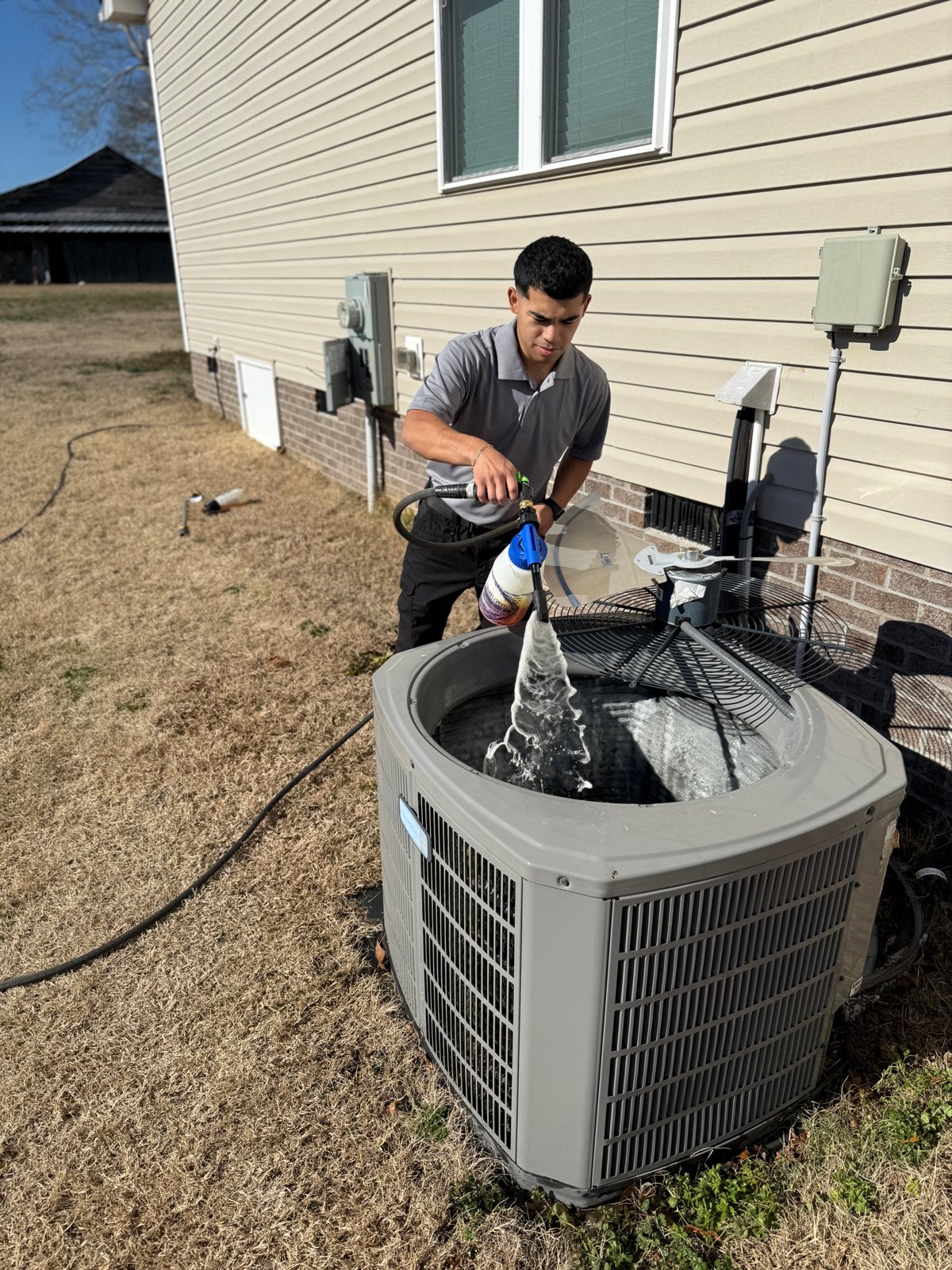
Ready to head into fall?
Schedule Heat Pump Maintenance Before the Cold Arrives
A fall inspection takes about an hour and can catch small issues before they become winter headaches. We're locally based in Raleigh and the Triangle, and we schedule maintenance visits to fit your timeline.